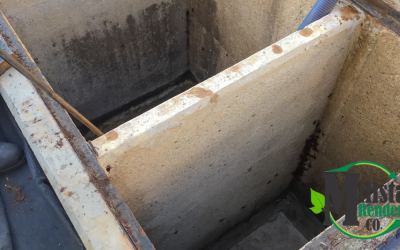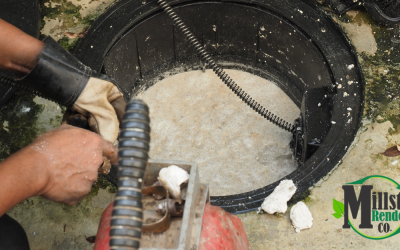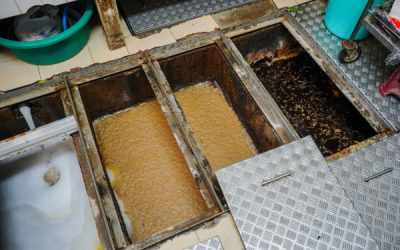
A grease trap plays an important role in keeping fats, oils, grease, and food waste out of a building’s plumbing and the municipal sewer system. When it is working correctly, wastewater flows through the trap while grease and solids are captured for proper removal....
Grease Trap Cleaning
What Is the Difference Between Grease Trap Cleaning and Grease Trap Pumping?
Grease traps play an important role in commercial kitchens by capturing fats, oils, grease, and food solids before they enter the plumbing system. However, simply removing the contents of a grease trap may not be enough to keep it working properly. Although “grease...
Why Is Water Backing Up Around My Grease Trap?
Water backing up around a grease trap is more than an inconvenience. In a busy restaurant or commercial kitchen, it can quickly create unpleasant odors, sanitation concerns, slow drains, and potentially even interrupt normal operations. If you've noticed standing...
Grease Trap Cleaning Tips for Food Trucks
Running a food truck means making the most of a small workspace while serving customers quickly and efficiently. With limited room for plumbing and waste storage, proper grease management is essential. Neglecting grease trap maintenance can lead to unpleasant odors,...
Grease Trap Cleaning Checklist for Restaurant Owners
Running a successful restaurant requires more than serving great food—it also means keeping your kitchen operating safely and efficiently behind the scenes. One of the most overlooked maintenance tasks is grease trap cleaning. Without regular service, grease traps can...
How Much Does Grease Trap Cleaning Cost?
If you own or manage a restaurant, commercial kitchen, grocery store, or food processing facility, keeping your grease trap clean is essential. One of the most common questions business owners ask is, "How much does grease trap cleaning cost?" While pricing varies...
Grease Trap Regulations for Restaurants in Illinois & Missouri
Restaurant owners have a lot on their plates — from daily operations to customer service to kitchen management. One crucial compliance area that shouldn’t be overlooked is grease trap regulations. These rules exist to protect public sewer systems, prevent clogs and...
Grease Trap Cleaning vs. Grease Trap Pumping: What’s the Difference?
If you operate a commercial kitchen, you know that maintaining your grease trap is essential to keeping things running smoothly and staying compliant with health and environmental regulations. But when it comes time for service, many business owners find themselves...
How Millstadt Rendering Helps Reduce Landfill Waste
Every day, grocery stores, restaurants, butcher shops, and food processors generate large amounts of organic waste—from used cooking oil and grease to meat scraps and byproducts. If not handled properly, much of this waste would end up in landfills, contributing to...
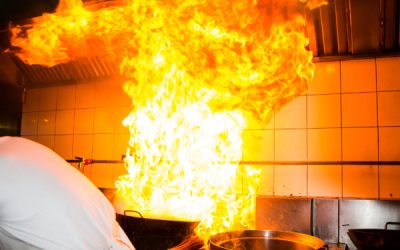
The Link Between Grease Trap Maintenance and Fire Prevention in Restaurants
Running a restaurant means keeping up with many maintenance tasks, but one that often gets overlooked is grease trap maintenance. While it’s primarily known for preventing plumbing issues, regular restaurant grease trap service also plays a crucial role in fire...