
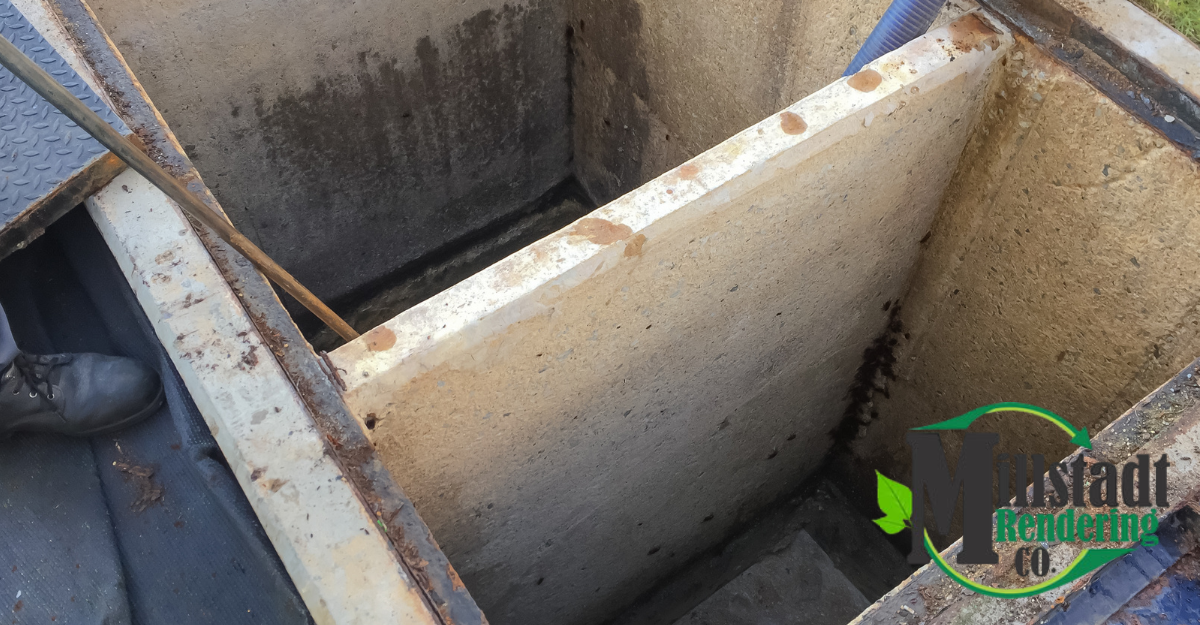
Running a successful restaurant requires more than serving great food—it also means keeping your kitchen operating safely and efficiently behind the scenes. One of the most overlooked maintenance tasks is grease trap cleaning. Without regular service, grease traps can become clogged, leading to foul odors, slow drains, plumbing backups, and even costly health code violations.
Following a routine grease trap maintenance checklist can help protect your business, reduce emergency repairs, and keep your kitchen in compliance.
1. Schedule Regular Grease Trap Cleaning
The most important item on any maintenance checklist is keeping a consistent cleaning schedule. How often your grease trap should be cleaned depends on factors such as:
- The size of your grease trap
- The volume of food you prepare
- The amount of fats, oils, and grease (FOG) your kitchen produces
- Local regulations
Many restaurants require professional grease trap cleaning every one to three months, while high-volume kitchens may need more frequent service.
2. Watch for Warning Signs
Don’t wait until your grease trap causes problems. Be alert for signs that service may be needed sooner than scheduled, including:
- Slow-draining sinks
- Unpleasant odors in the kitchen
- Frequent drain backups
- Grease overflowing from the trap
- Gurgling sounds from drains
Addressing these issues early can help prevent expensive plumbing emergencies.
3. Train Staff on Proper Grease Disposal
Your kitchen staff plays an important role in keeping your grease trap functioning properly. Employees should:
- Scrape food waste into the trash before washing dishes.
- Avoid pouring grease or oil down sinks.
- Dispose of used cooking oil in designated containers.
- Use sink strainers to reduce food debris entering the plumbing system.
Simple daily habits can significantly reduce grease buildup.
4. Inspect the Grease Trap Regularly
Even between professional cleanings, it’s a good idea to perform routine visual inspections. Check for:
- Excessive grease accumulation
- Damaged lids or seals
- Standing water around the trap
- Signs of leaks or corrosion
If anything appears unusual, schedule service before the problem becomes more serious.
5. Keep Maintenance Records
Maintaining service records can help demonstrate compliance during health inspections and make it easier to track your cleaning schedule. Your records should include:
- Service dates
- Company performing the cleaning
- Inspection findings
- Recommended repairs or maintenance
Good documentation also helps identify recurring issues before they become costly repairs.
6. Recycle Used Cooking Oil Properly
Never pour used cooking oil into sinks or floor drains. Partnering with a company that provides used cooking oil collection helps keep grease out of your plumbing while supporting environmentally responsible recycling practices.
Proper oil disposal also reduces the amount of grease entering your trap, helping extend the time between cleanings.
7. Work With a Professional Grease Trap Cleaning Company
While routine inspections and staff training are important, professional service is essential for thoroughly removing accumulated grease and ensuring your system continues operating efficiently.
A professional technician has the equipment and experience to clean the trap completely, inspect for potential issues, and help your business remain compliant with local regulations.
Protect Your Restaurant with Routine Grease Trap Maintenance
A consistent maintenance plan helps reduce downtime, prevent plumbing emergencies, and keep your kitchen operating smoothly. By following this checklist and scheduling routine grease trap cleaning, restaurant owners can avoid expensive repairs while creating a cleaner, safer environment for employees and customers alike.
If your restaurant is due for service, Millstadt Rendering provides dependable grease trap cleaning for restaurants and commercial kitchens throughout Southern Illinois and the St. Louis Metro East. Contact our team today to schedule preventative maintenance and keep your business running without interruption.
Schedule Your Grease Pickup Now